

RBA raises the cash rate to 3.85%: What this shift really means
An insight for borrowers, buyers, and long-term decisions
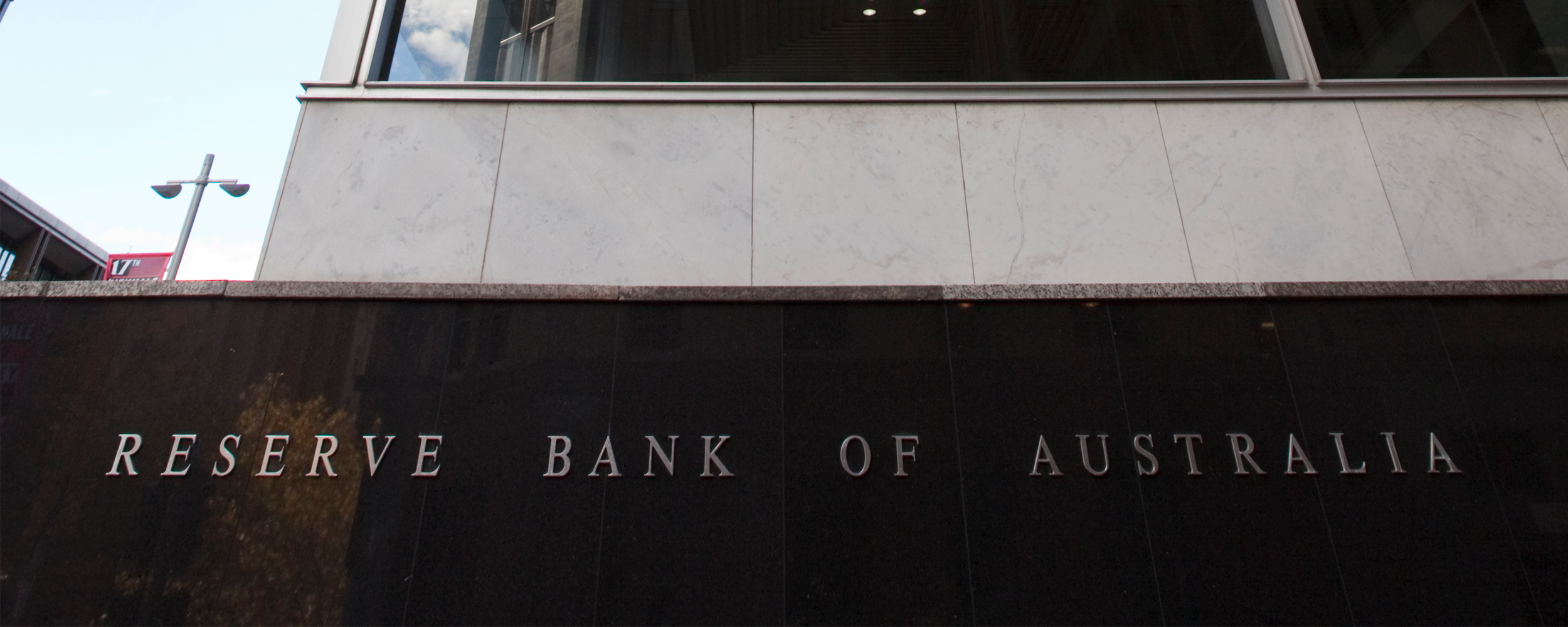
The Reserve Bank of Australia (RBA) has lifted the cash rate by 0.25 percentage points to 3.85%, marking the first rate increase since 2023 and signalling a clear change in the direction of monetary policy. After an extended period where interest rates were held steady or reduced, this decision reflects the RBA’s assessment that inflation is no longer easing as expected and that parts of the economy remain stronger than anticipated. This move doesn’t signal panic. But it does reset expectations.
Why the RBA Changed Course
According to the RBA’s official February 2026 statement, several factors contributed to the decision. While inflation has come down significantly from its 2022 peak, the RBA noted that inflation picked up again in the second half of 2025. As a result, inflation is now expected to remain above the RBA’s 2–3% target band for longer than previously forecast. Household spending and private investment have been stronger than expected. Combined with population growth, this has increased demand across the economy and placed pressure on capacity. Unemployment remains low and wage growth has stayed firm. While this supports household incomes, it also risks sustaining inflation if demand runs ahead of supply. Despite earlier rate cuts, broader financial conditions loosened further. The RBA judged that monetary policy was no longer sufficiently restrictive to ensure inflation returned to target. Taken together, the Board concluded that a modest increase in the cash rate was necessary to maintain price stability.
What This Means for Borrowers and Households

For many Australians, the practical impact will depend on how lenders respond. Mortgage holders should expect higher repayments if the full increase is passed on. Even small rate rises can add meaningful monthly costs, particularly for larger loans. For buyers, borrowing capacity may reduce slightly as serviceability assessments adjust to higher rates. This can influence price sensitivity and purchasing decisions, especially for first-home buyers. Savers, on the other hand, may benefit from improved returns on savings accounts and term deposits as banks compete for deposits.
Implications for the Property Market
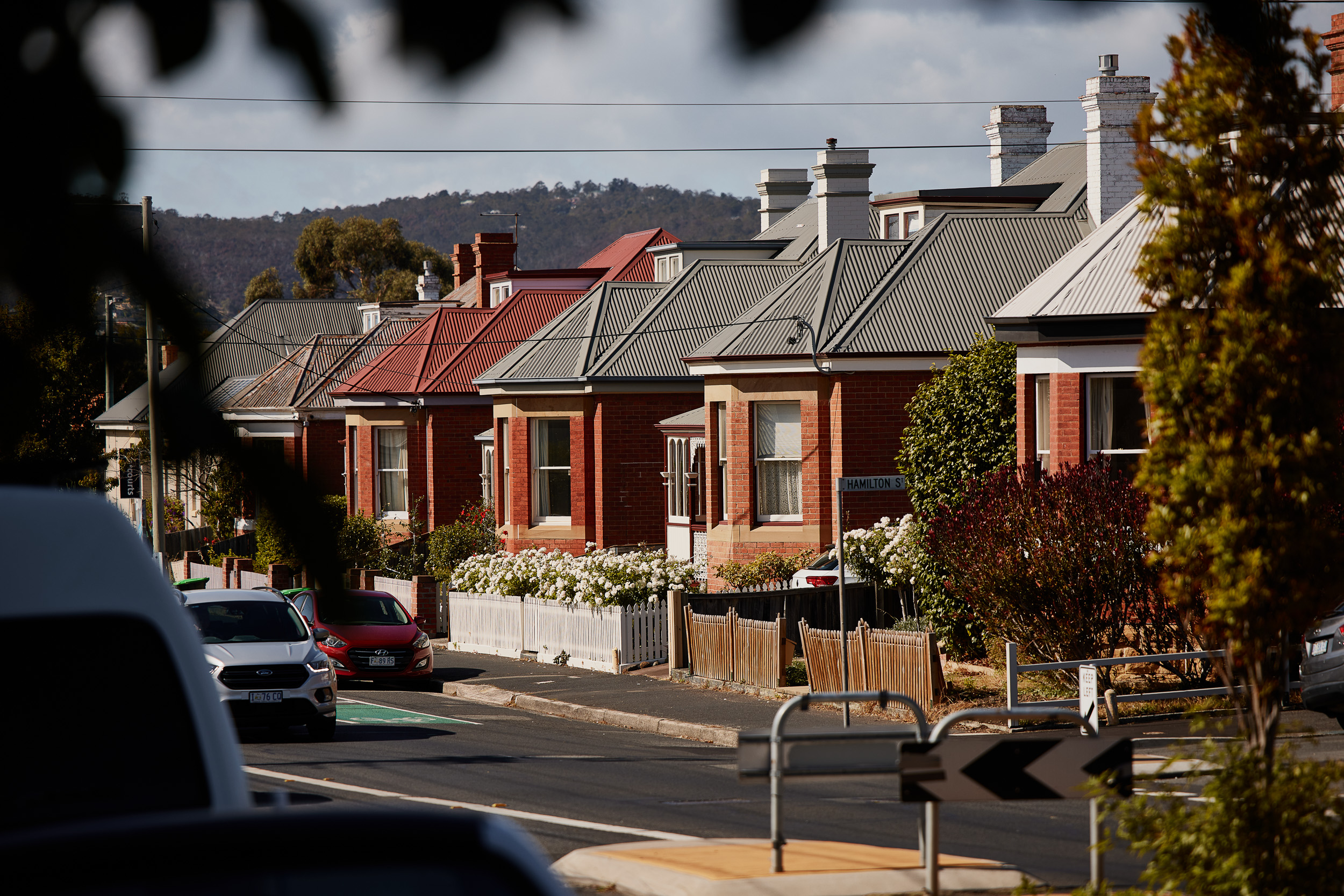
Interest rate changes don’t move the property market overnight, but they do influence behaviour. Higher financing costs tend to moderate demand, particularly at the margins. Buyers become more cautious, timeframes lengthen, and decision-making slows. At the same time, the RBA acknowledged that housing prices and activity have continued to pick up, supported by population growth and limited supply. These structural factors mean that demand has not disappeared, it has simply become more selective. Rather than triggering a sharp correction, the rate increase is more likely to reinforce a market that rewards realism, patience, and well-considered decisions.
What to Watch From Here
The RBA has made it clear that future decisions will depend on incoming data. Inflation outcomes, wage growth, household spending, and global economic conditions will all shape the path forward. Markets are now recalibrating around the idea that rates may stay higher for longer, and that further adjustments remain possible if inflation does not return to target.
The Bottom Line
The February rate increase marks a shift from an easing mindset to a more cautious, controlled approach. For homeowners, buyers, and sellers alike, this is a reminder that good property decisions are rarely made quickly. Understanding the broader economic context, and how interest rates affect your position, matters more than reacting to headlines. In a changing market, clarity beats urgency.
Need Guidance That’s Grounded in the Local Market?
If you’d like to talk through what this shift means for you, without pressure or speculation, Peterswald is here to help. Our role is to provide perspective, context, and clear guidance so you can make decisions with confidence, not haste.
You might also be interested in

Aug 30, 2026
Spring is on the horizon and so is opportunity
As Tasmania moves towards spring, longer days, blooming gardens and renewed activity begin to shape the property market. Across Southern Tasmania, spring is often a season of fresh beginnings, wit

Jun 30, 2026
New Anti-Money Laundering Laws
From 1 July 2026, all Australian real estate agencies, including Peterswald, are required to comply with new Anti-Money Laundering and Counter-Terrorism Financing (AML/CTF) legislation. While these ch